August 18, 2026
Navigating the roads safely requires continuous attention, particularly when large service vehicles are actively operating nearby. Commercial vehicles designed for vehicle recovery serve an indispensable role in maintaining order on highways and local streets, yet their size and unexpected movements can create hazardous conditions for surrounding traffic. Understanding how to share the road safely with these vehicles reduces the likelihood of severe collisions and protects roadside workers who perform dangerous duties every day.
Modern highway environments are inherently unpredictable, and vehicle breakdowns occur constantly across the country. Drivers who understand these operational necessities can better navigate situations involving tow trucks. According to Look up a Plate, approximately 1-in-3 American drivers are affected by vehicle breakdowns, further emphasizing the need to understand tow truck operations. By being aware of these processes, drivers can enhance both their own safety and the safety of the tow truck operators.
Recognizing Roadside Recovery Procedures
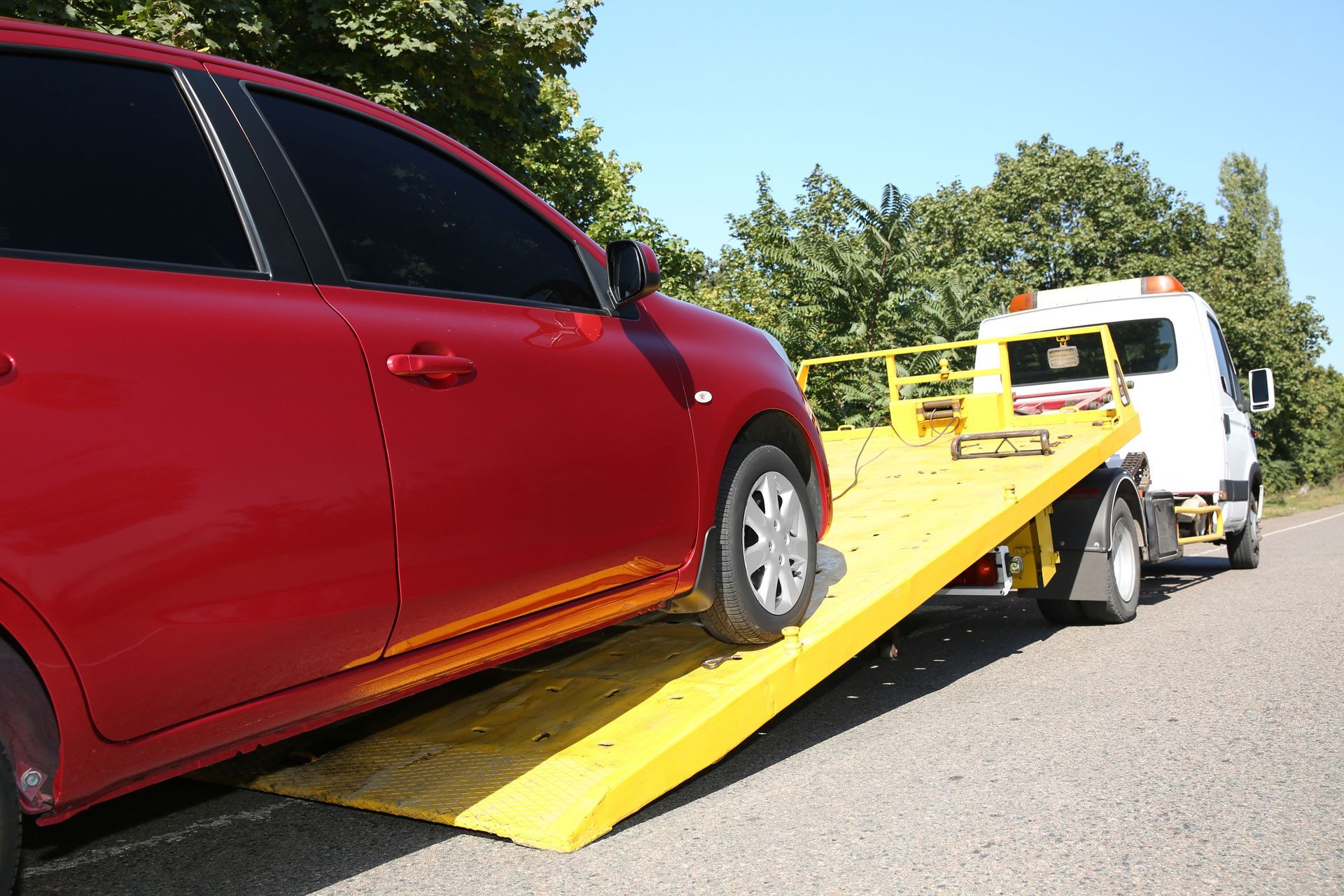
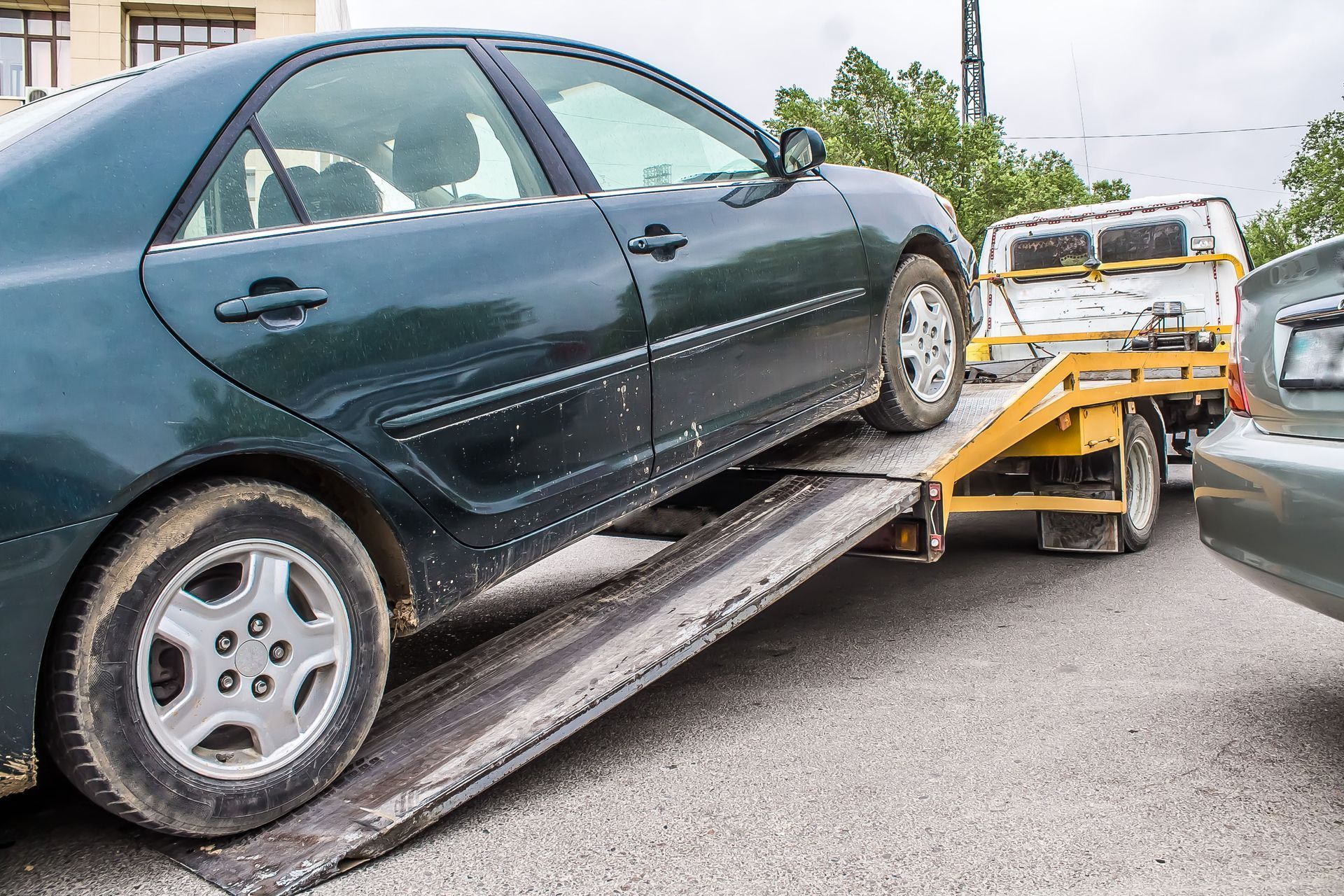
Understanding how service vehicles function is the first step toward improving safety on the open road. Operators must often position their rigs in unconventional ways to winch a disabled automobile or clear accident debris from traffic lanes. These maneuvers frequently require blocking parts of a travel lane, backing up along shoulders, or making wide turns in tight spaces. When motorists recognize the physical mechanics involved in loading or hoisting a vehicle, they can better anticipate sudden pauses and give the operator the necessary room to complete the task safely.
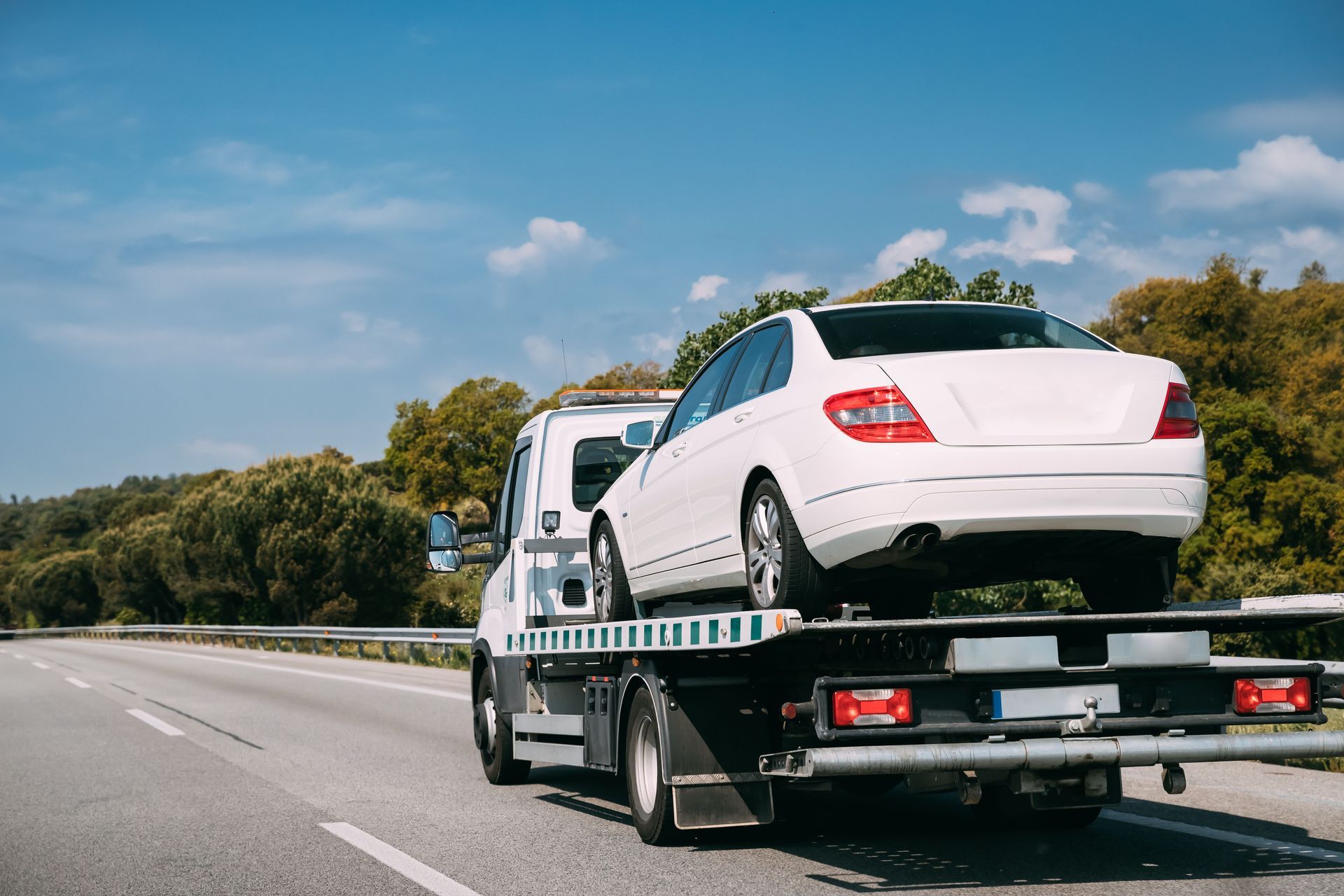
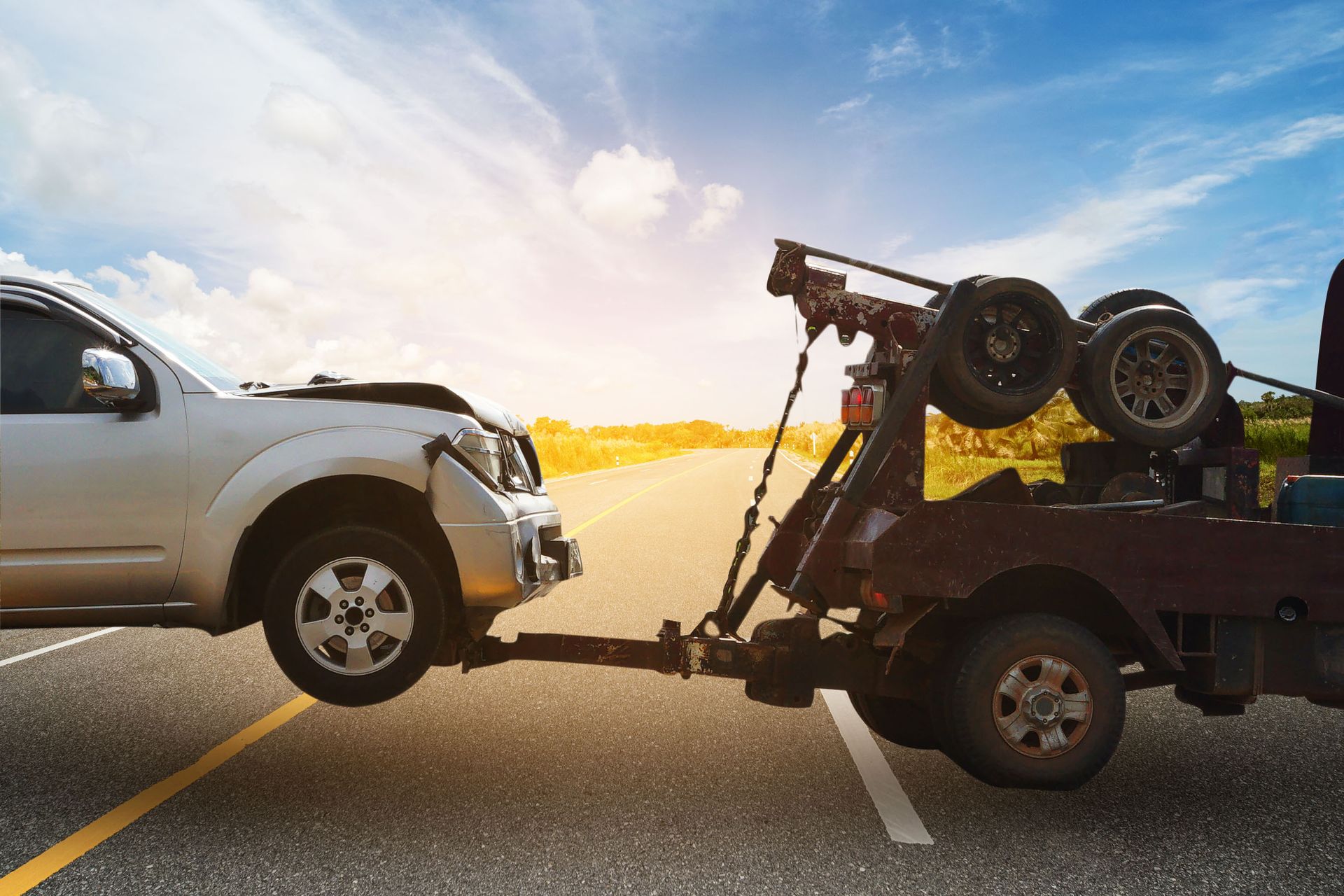
Different tasks call for different types of equipment, ranging from flatbeds to heavy-duty boom rigs. Regardless of the specific mechanism, each vehicle possesses unique blind spots and requires significant space to maneuver. Motorists should never assume a service operator sees them approaching, especially when the operator is focused on loading a stalled car.
Identifying Potential Danger Zones
Service operations inherently take place in high-risk environments such as narrow highway shoulders, busy intersections, and blind curves. These locations leave very little margin for error for both the service worker and passing traffic. High speeds from adjacent lanes create strong wind turbulence that can destabilize equipment or knock a worker off balance. Recognizing these location-based hazards allows passing motorists to prepare well in advance rather than reacting at the last second when space is limited.
When approaching a roadside work area, drivers should immediately scan the surroundings for potential hazards like spilled fluids, loose car parts, or emergency personnel on foot. Flashing amber, blue, or red lights serve as clear warnings to reduce speed and prepare for altered traffic patterns. Remaining alert in these high-stress zones allows motorists to make smooth, gradual adjustments. This proactive approach significantly diminishes the chance of colliding with tow trucks or striking workers who are focused on clearing stalled vehicles from the travel lanes.
Evaluating Key Visual Indicators
Active recovery zones are heavily marked with distinct signaling devices designed to attract immediate attention. Bright flashing beacons, reflective safety cones, elevated light bars, and directional arrow boards all indicate that extra caution is required. Upon spotting these visual cues, motorists ought to immediately decelerate and prepare to alter their path. Ignoring these warning indicators dramatically increases the probability of a serious impact in a crowded work zone.
Daytime and nighttime conditions present entirely different challenges for detecting active service sites. Sunlight can sometimes wash out flashing lights, while darkness makes it difficult to see workers walking near the roadway. Paying close attention to physical indicators, such as a vehicle being hoisted or secured to a bed, provides essential context about what is happening ahead. Maintaining steady, predictable vehicle control while observing these visual cues allows surrounding traffic to proceed safely past the scene without causing chaos or delays.
Acknowledging Vehicle Operating Constraints
Large recovery vehicles do not handle like standard passenger cars, as their weight, length, and heavy cargo significantly limit their agility. Stopping a heavy service rig requires substantially more distance, particularly when carrying another automobile. Furthermore, blind spots behind and beside these large vehicles are expansive, making it difficult for the operator to see tailgating cars.
Extreme weather conditions worsen these operating challenges by reducing tire traction and lengthening stopping distances even further. High winds can sway heavy loads, while rain or snow obscures the operator's mirrors. When passing motorists understand that these large rigs cannot accelerate quickly or stop on a dime, they are less likely to engage in risky driving behaviors like cutting in front of them closely. Respecting the physical constraints of heavy equipment fosters a far safer driving culture on public roadways.
Interpreting Signal Indicators Correctly
Clear communication between tow trucks and passing motorists is vital for preventing roadway accidents. Operators frequently rely on directional turn signals, hazard flashers, hand gestures, and brake lights to indicate their immediate intentions. A sudden activation of hazard lights usually indicates that the rig is slowing down to enter a shoulder or back into position. Observing these signals early gives nearby motorists sufficient time to adjust their speed without slamming on the brakes.
At night or during heavy downpours, reading these visual signals becomes even more critical for maintaining spatial awareness. Motorists should pay close attention to directional arrows displayed on light bars, which direct incoming traffic to merge into open lanes safely. Interpreting these cues accurately allows for organized traffic flow and prevents dangerous confusion. Proper signal comprehension ensures that passing cars give tow trucks the wide berth necessary to perform delicate recovery operations securely.
Maintaining Proper Spatial Distance
Keeping a safe distance behind heavy service rigs is fundamental to avoiding rear-end collisions. Because these large vehicles carry heavy equipment, they may drop debris or stop unexpectedly while preparing to pull over. Leaving a generous gap between your front bumper and the rear of the rig provides the necessary visual field to see hazards appearing further down the road. It also provides ample time to stop safely if the rig must brake hard.
Calculating a proper gap depends on traveling speed and prevailing weather conditions. Under clear conditions, a minimum space of four to five seconds is recommended when trailing heavy equipment. This extra time cushion accommodates reaction delays and physical braking limitations.
Executing Safe Overtaking Moves
Passing a service rig requires deliberate planning, clear visibility, and smooth execution. Motorists should only attempt to pass when traffic laws permit and the adjacent lane is completely clear of oncoming or fast-approaching traffic. Before switching lanes, check mirrors carefully, signal early, and verify that the operator is not currently attempting a turn or lane change.
When completing an overtaking maneuver, avoid pulling back into the lane immediately after clearing the front bumper of the service rig. Cutting off a heavy rig forces the operator to apply brakes abruptly, creating a dangerous situation due to the vehicle's massive weight. Wait until the entire front end of the service rig is clearly visible in your rear-view mirror before completing the lane change. Smooth, gradual transitions protect both your vehicle and the heavy equipment behind you.
Adhering to Move Over Legislation
Move over laws exist across the nation to safeguard roadside workers, law enforcement officers, and emergency responders. These legal mandates require drivers to vacate the lane closest to an active service vehicle displaying flashing lights whenever it is safe to do so. If traffic density or road design prevents changing lanes, drivers are legally required to slow down significantly below the posted speed limit while passing the site.
Failing to obey move over statutes carries severe penalties, including heavy fines and license points, but the primary motivation should always be protecting human life. Roadside operators work mere inches away from speeding traffic, often with their backs turned to incoming cars. By proactively shifting lanes or reducing speed, motorists create a vital safety buffer.
Whenever you encounter
tow trucks on the highway, remember that caution and courtesy save lives. Give operators room to work, stay alert for sudden maneuvers, and always prioritize space over speed. If you ever find yourself stranded on the shoulder requiring assistance, contact Titan Towing for professional service that puts highway safety first. Together, we can build a safer driving environment by respecting those who keep our roads clear and functional every day.